

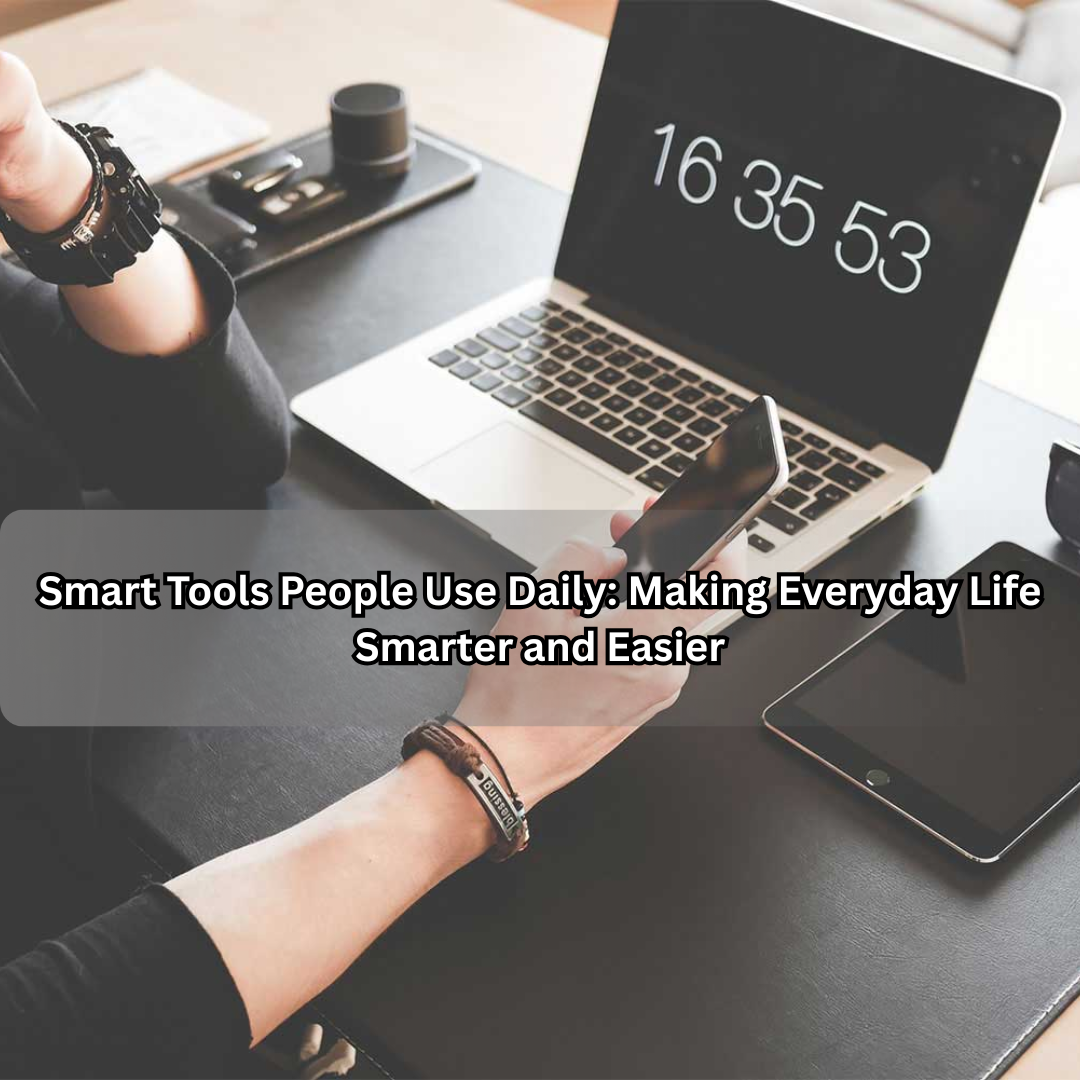
Technology has blended so deeply into our lives that many people no longer even realize how much they rely on it. Every morning starts with an alarm that syncs across devices, a smartwatch that measures sleep, and a digital assistant that reads out the weather or appointments. These are not futuristic gadgets anymore; they are a part of normal life.
Smart tools have moved from being luxury add-ons to becoming silent partners that make life more organized and efficient. They save time, improve productivity, and simplify routine tasks. Whether someone is working, studying, traveling, or relaxing, smart tools now shape almost every activity.
In this detailed guide, let’s explore how these smart tools impact daily life, why people use them so often, and which ones are becoming essential for modern living.
The New Era of Daily Convenience
Earlier, completing daily chores required manual effort and memory. Today, a simple reminder, automation, or voice command does the same job faster and more accurately. The rise of smart technology has completely transformed how people manage their day.
From home automation systems to AI-driven productivity apps, every category of smart tool is designed to minimize human effort. The beauty lies in the invisible way they blend into life.
For example, fitness trackers count steps automatically, smartwatches suggest breathing breaks, and voice assistants control lighting or call friends—all without a single touch.
These small conveniences have created a larger shift — people now expect technology to anticipate their needs, not just serve them.
Smart Tools for Communication
Communication is the backbone of daily living, and smart tools have made it faster, clearer, and more interactive.
Smart Messaging Apps now include predictive text, smart replies, and translation features. They recognize user patterns and offer instant responses. Whether chatting with friends or discussing projects, messages feel smoother and quicker.
Video Communication Platforms go beyond regular calls. Smart tools now adjust lighting, cancel background noise, and automatically generate captions. This helps in maintaining professionalism during meetings or virtual classes.
Voice Assistants have become a daily companion. From making calls to sending reminders, tools like these remove the need to type or even look at a screen. A simple voice command replaces multiple manual actions, saving precious minutes.
These small improvements make communication effortless and more natural — something that older devices could never achieve.
Smart Tools for Work and Productivity
The workplace, whether physical or remote, has changed drastically due to smart tools. Professionals now depend on them for scheduling, writing, collaboration, and organization.
1. Task and Project Management Apps:
These tools organize to-do lists, set reminders, and allow tracking progress visually. Some even suggest productivity improvements based on user behavior.
2. Writing and Editing Assistants:
AI-based writing tools help people draft emails, reports, and blog posts with grammatical accuracy and natural tone adjustments. They can even analyze readability and keyword optimization, making communication clearer.
3. Virtual Meeting Platforms:
Meetings have become intelligent. Platforms now offer automatic note-taking, action item extraction, and language translation during calls. It reduces manual note-taking and allows better focus on the conversation.
4. Time Tracking Tools:
These help employees or freelancers record work hours, manage tasks, and evaluate productivity trends. Some tools even integrate with billing or payroll software.
5. Automation Tools:
Automation platforms handle repetitive tasks like sending follow-up emails, generating reports, or updating sheets. What earlier took hours now finishes in seconds.
Together, these smart tools have redefined professional efficiency, making multitasking easier and reducing mental load.
Smart Tools for Health and Fitness
Health is another area where smart technology has quietly taken control.
Modern devices track heart rate, calories, steps, hydration, sleep quality, and even stress levels.
Smartwatches and Fitness Bands collect real-time data and sync it with health apps. They provide trends, weekly insights, and even alerts if something seems unusual.
Health Monitoring Apps remind users to drink water, stretch, or take medicines on time. They work like digital health companions that never forget a schedule.
Smart Kitchen Gadgets like calorie-counting scales or air fryers with digital timers make it easier to maintain a healthy diet.
Sleep Monitors have also gained popularity. They study movement, breathing, and sleep patterns to suggest improvements for better rest.
The result is self-awareness. People are not only tracking health but actively improving it using these insights.
Smart Tools for Home and Lifestyle
The concept of a “smart home” was once futuristic; now it’s mainstream. From lights to locks, almost everything can be controlled through mobile or voice.
Smart Speakers and Assistants: These act as central hubs. A user can say “turn off the lights” or “play relaxing music” and see it happen instantly.
Smart Lighting Systems: These adjust brightness automatically depending on the time or ambient light. Some even follow your mood.
Smart Appliances: Refrigerators that suggest recipes, washing machines that schedule cycles, and air conditioners that learn your preferred temperature—all these make everyday living comfortable.
Home Security Devices: Cameras, sensors, and video doorbells now offer peace of mind. Live streaming and motion alerts can be viewed remotely.
Together, these technologies turn ordinary homes into responsive spaces that adapt to human behavior.
Smart Tools for Education and Learning
Education has gone digital. Learning now happens anywhere and anytime, thanks to smart tools that make knowledge more interactive.
Online Learning Platforms use algorithms to tailor lessons to a learner’s pace and style. They track progress, suggest revisions, and use gamified quizzes to make learning engaging.
Note-Taking Apps help students organize their lectures, convert handwriting into text, and sync notes across devices.
Language Learning Apps have become incredibly smart — offering pronunciation feedback, grammar correction, and progress tracking.
Virtual Classrooms use AI for attendance, participation analytics, and even emotional engagement tracking to improve online teaching.
Learning has become flexible, self-paced, and accessible. Students no longer rely only on books; they now use smart tools as daily learning partners.
Smart Tools for Personal Finance
Money management once required calculators and ledgers. Now, it’s all automated.
Budgeting Apps track expenses, analyze spending patterns, and provide visual graphs. They notify users when they overspend or miss bill payments.
Investment Platforms use AI to analyze market trends, suggest suitable portfolios, and automate transactions.
Digital Payment Tools like wallets and QR-based transfers make transactions instant.
Expense Trackers also integrate with banks to provide a complete view of financial health.
With these tools, financial awareness has improved significantly. Even beginners can manage savings, loans, and investments confidently with daily use of these smart solutions.
Smart Tools for Travel and Navigation
Smart tools have completely redefined travel. Whether someone is planning an international trip or commuting to work, technology smoothens the entire process.
Navigation Apps show live traffic updates, best routes, and estimated travel times. Some can even reroute automatically when congestion appears.
Booking Platforms integrate flights, hotels, and rentals, while AI predicts when prices might drop.
Translation Tools can now translate menus or street signs instantly through the phone camera, removing language barriers.
Smart Luggage with GPS tracking ensures travelers never lose their bags.
All these make travel stress-free, efficient, and personalized.
Smart Tools for Entertainment
Entertainment is where smart tools have shown their most visible impact.
Streaming services personalize recommendations based on viewing habits. Music apps create playlists that adjust to your mood.
Smart TVs combine content suggestions, voice commands, and device connectivity for seamless control.
Gaming Consoles have become intelligent — identifying player skill and offering adaptive challenges.
Podcast and Audiobook Platforms allow multitasking, so people can learn or relax while driving or working.
Entertainment today is less about choice and more about curation. Smart tools know what users enjoy and bring it to them instantly.
Smart Tools for Daily Organization
Apart from big categories, there are small but extremely useful tools that quietly handle day-to-day work.
- Calendar Apps schedule reminders, meetings, and birthdays.
- Smart Notes sync across phone, tablet, and laptop.
- Cloud Storage Services automatically back up photos, videos, and documents.
- Password Managers keep credentials secure and accessible.
- Weather Apps predict rain or temperature drops with AI-based accuracy.
These tools, although simple, form the backbone of digital organization. They eliminate mental clutter and make daily routines smoother.
The Benefits of Using Smart Tools Daily
People often underestimate how much these tools improve their quality of life.
1. Time Efficiency
Tasks that once took minutes now take seconds. Automation saves effort.
2. Accuracy and Data Insights
From fitness to finance, smart tools generate data that helps users make informed decisions.
3. Connectivity
Everything syncs — from phone to watch to home appliances — creating an ecosystem of convenience.
4. Accessibility
Even complex tasks like budgeting or workout tracking have become easy for everyone, regardless of technical skill.
5. Personalization
Smart tools adapt. They learn preferences and adjust accordingly, making experiences unique to each user.
Challenges and Limitations of Smart Tools
While advantages are many, it’s important to understand their limits too.
1. Data Privacy Concerns:
Most smart tools collect data to function better. Users must ensure they grant only essential permissions.
2. Overreliance:
Excessive dependence can reduce personal engagement or manual skills.
3. Subscription Models:
Many tools are subscription-based, leading to long-term costs.
4. Compatibility Issues:
Not all devices integrate seamlessly. Users sometimes need specific ecosystems to make things work together.
5. Cybersecurity Risks:
Connected devices can be vulnerable if security updates are ignored.
Awareness and cautious usage make all the difference.
The Future of Smart Tools
The next phase of smart technology is already here — predictive and adaptive intelligence.
Smart homes will automatically adjust lighting, temperature, and security.
Wearables will detect health issues before symptoms appear.
Workplace tools will assign tasks automatically based on employee strengths.
Vehicles will communicate with roads for better traffic flow.
As artificial intelligence matures, smart tools will become more intuitive, blending completely with human behavior.
Final Thoughts
Smart tools have quietly transformed human life. What was once complicated is now effortless. They simplify work, enhance communication, and improve lifestyle quality.
Yet, the true power of smart tools lies not in their complexity but in how seamlessly they fit into daily routines. The best ones don’t demand attention; they simply make life better behind the scenes.
In the coming years, these tools will not just assist but anticipate — becoming more personalized, secure, and indispensable.
If used mindfully, smart tools will continue to make everyday life not just easier, but smarter.
