

Money has always evolved with civilization — from barter systems to coins, from paper currency to credit cards. But in the last decade, the world has witnessed a transformation far bigger and faster than any before: the rise of digital payments.
Today, you can pay for your groceries, transfer money, order food, or even pay your rent with just a few taps on your phone. The era of standing in queues or handling cash is being replaced by a smarter, safer, and faster way of moving money.
This complete guide will help you understand what digital payments are, how they work, why they became popular, and how they are reshaping the global economy.
1. What Are Digital Payments?
Digital payments (also called electronic payments or e-payments) refer to any transaction where money is transferred electronically instead of using physical cash.
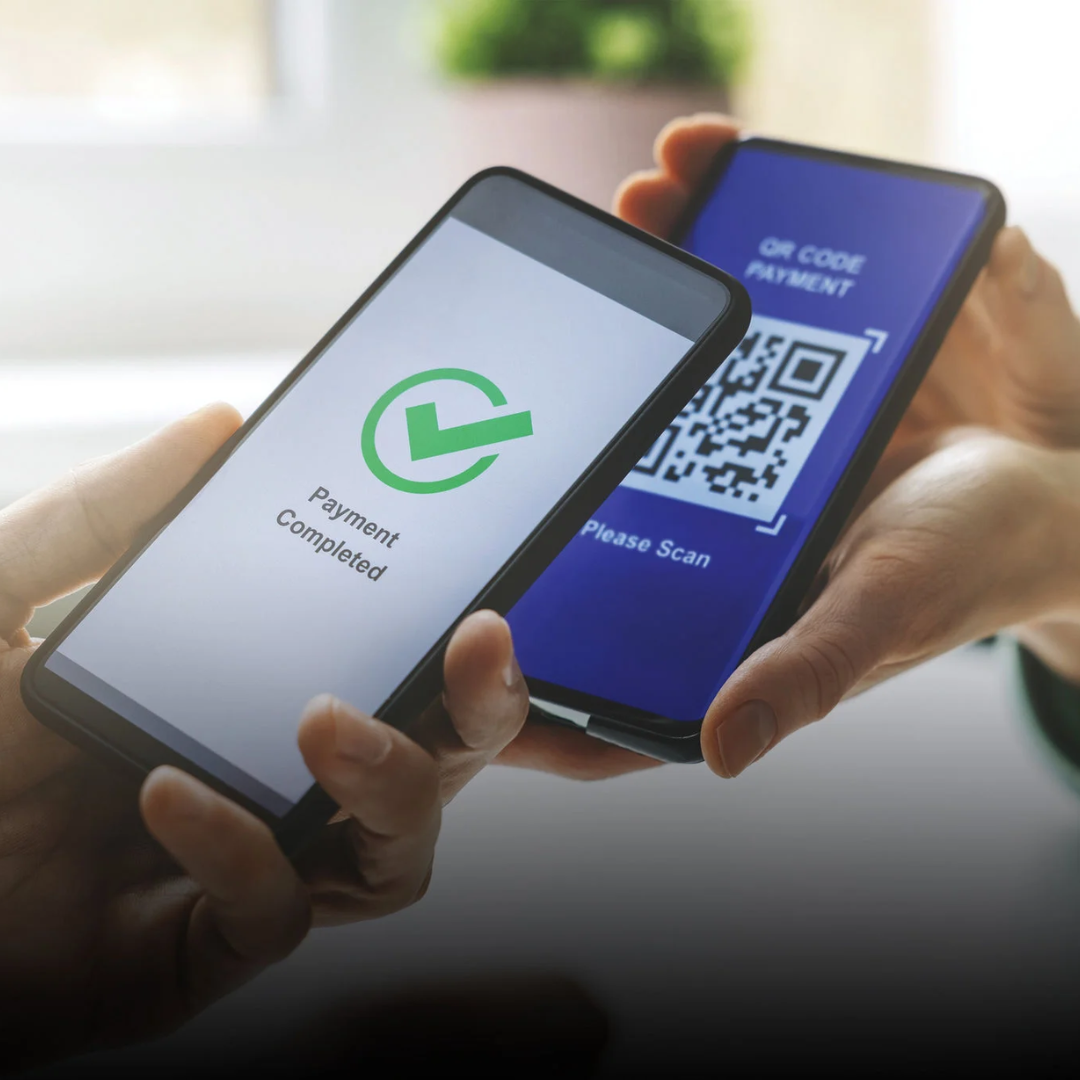
When you pay online, scan a QR code, swipe your debit card, or use an app like Google Pay or PayPal — that’s a digital payment.
In Simple Terms:
Digital payments allow you to send or receive money using digital devices (phones, computers, POS machines) and internet-based systems.
Examples of Digital Payments:
- Paying bills through a banking app
- Online shopping on e-commerce sites
- Mobile wallets like Paytm, PhonePe, or Apple Pay
- Scanning a QR code at a local store
- Using credit or debit cards
- Sending money via NEFT, RTGS, or UPI
2. How Digital Payments Work
Behind every digital transaction is a complex but efficient system that moves money securely from one account to another.
Step-by-Step Process:
- Initiation: You choose to pay using a card, wallet, or UPI.
- Authentication: The system verifies your identity using PIN, fingerprint, or OTP.
- Authorization: The payment gateway or bank checks if you have enough balance or credit.
- Processing: The transaction details move securely through the network.
- Settlement: The money is transferred from your account to the recipient’s account.
All of this happens within seconds — thanks to encryption, secure servers, and global banking networks.
3. Types of Digital Payments
Digital payments exist in many forms. Here are the most common categories:
1. Card-Based Payments
Using debit, credit, or prepaid cards for online or offline purchases.
- Examples: Visa, Mastercard, RuPay
2. Internet Banking
Transactions done directly through a bank’s website or app.
- Modes include NEFT, RTGS, and IMPS.
3. Mobile Wallets
Apps that store money digitally and allow quick payments.
- Examples: Paytm, Google Pay, PhonePe, Apple Pay.
4. UPI (Unified Payments Interface)
A real-time payment system that allows direct bank-to-bank transfers using mobile apps.
- Examples: BHIM, GPay, PhonePe.
5. QR Code Payments
Scanning a Quick Response (QR) code to pay directly to merchants.
6. Contactless / NFC Payments
Tapping a card or smartphone near a payment terminal to make instant transactions.
- Examples: Samsung Pay, Tap-to-Pay cards.
7. Buy Now, Pay Later (BNPL)
A modern credit model allowing users to make instant purchases and pay later.
8. Crypto & Blockchain Payments
Emerging systems allowing digital currency transfers using decentralized technology.
Each of these systems contributes to the growing digital economy that values speed, convenience, and security.
4. The Rise of Digital Payments: A Global Revolution
The popularity of digital payments didn’t happen overnight. It evolved through technological innovation, policy reforms, and lifestyle changes.
Key Milestones in the Journey
- 2000s – The Internet Banking Era:
Banks started offering online portals for fund transfers. - 2010s – The Smartphone Boom:
Mobile apps revolutionized accessibility. Payments could now be made anytime, anywhere. - 2016 – Digital Push in Developing Economies:
Governments worldwide encouraged digital transactions to reduce cash dependency. - 2020 – The Pandemic Acceleration:
COVID-19 made contactless payments a necessity. Businesses and consumers rapidly shifted to online modes.
Now in 2025:
Digital payments dominate transactions across most sectors — from cafes to government services.
5. Why Digital Payments Became So Popular
Several factors came together to make digital payments mainstream.
1. Convenience and Speed
No queues, no paper, no physical exchange. Transactions complete in seconds.
2. Accessibility
Anyone with a smartphone and internet connection can use it. No need for a physical bank visit.
3. Cost Efficiency
Lower transaction costs for businesses and customers compared to cash management.
4. Global Acceptance
You can pay internationally or domestically using the same app or card.
5. Security Improvements
With advanced encryption and multi-factor authentication, digital payments have become safer than ever.
6. Government Policies
Countries like India launched initiatives like Digital India, UPI, and Aadhaar-linked banking to promote cashless transactions.
7. Social Influence
As friends and peers started using mobile payment apps, others followed — creating a digital culture of instant transactions.
6. Benefits of Digital Payments
Digital payments bring value to individuals, businesses, and entire economies.
For Consumers
- Instant money transfers
- No need to carry cash
- Easy record tracking
- Cashback and reward programs
For Businesses
- Faster checkout process
- Reduced risk of theft or counterfeit money
- Simplified accounting and analytics
- Better customer experience
For Governments and Economies
- Greater financial transparency
- Reduction in black money
- Easier tax collection
- Promotes financial inclusion
Digital payments have become a key driver of economic modernization and transparency.
7. Security Behind Digital Payments
Security is the foundation of every digital payment. Without trust, users would never shift from cash to online systems.
Security Measures Include:
- Encryption: Converts transaction data into secure codes.
- Tokenization: Replaces card details with digital tokens to prevent theft.
- Two-Factor Authentication (2FA): Adds an extra verification step.
- PCI-DSS Compliance: Global standard for payment data protection.
- Biometric Verification: Fingerprint or facial recognition for secure access.
With these systems, even sensitive transactions remain private and protected.
8. Challenges and Risks
Despite massive adoption, digital payments come with challenges:
1. Cybersecurity Threats
Phishing, malware, and fraud still pose risks.
2. Digital Divide
Rural and underdeveloped regions may lack internet or smartphone access.
3. Technical Failures
Server downtimes can delay payments.
4. Privacy Concerns
Handling user data responsibly is critical for public trust.
5. Over-Dependence on Technology
If networks fail, transactions halt entirely.
Governments and companies continue improving infrastructure and awareness to overcome these challenges.
9. The Role of Government and Regulations
Governments worldwide play a major role in shaping the digital payment landscape.
In India
- UPI made real-time transfers free and universal.
- Digital India encouraged citizens and small businesses to go cashless.
- RBI guidelines ensure security and consumer protection.
Globally
- The EU introduced PSD2 (Payment Services Directive) to boost innovation and safety.
- The U.S. supports open banking systems for better competition.
- China pioneered QR-based payments with Alipay and WeChat Pay.
Strong regulatory frameworks continue to build confidence in digital transactions worldwide.
10. Digital Payment Systems That Changed the World
1. PayPal
Pioneered online transactions for global e-commerce.
2. Google Pay
Simplified peer-to-peer payments using UPI integration.
3. Apple Pay & Samsung Pay
Popularized contactless NFC payments via smartphones.
4. PhonePe & Paytm
Transformed India’s local market into a digital economy.
5. Alipay & WeChat Pay
Brought mobile payments to everyday life across China.
6. Stripe & Square
Revolutionized how small businesses accept digital payments.
Each of these platforms contributed to making cashless transactions a worldwide norm.
11. The Impact of COVID-19 on Digital Payment Growth
The pandemic acted as an unexpected catalyst for digital adoption.
- Physical distancing made contactless payments safer.
- E-commerce and food delivery surged globally.
- Small merchants quickly adopted QR codes and wallet payments.
- Governments encouraged digital transfers for subsidies and relief programs.
What might have taken five years of evolution happened within one.
12. The Future of Digital Payments
The next wave of innovation will make payments faster, safer, and more invisible.
Emerging Trends:
- Voice-Based Payments – “Pay my bill” commands through AI assistants.
- Biometric Authentication – Face, fingerprint, and iris scans replacing PINs.
- Blockchain Integration – Transparent, tamper-proof payment ledgers.
- Central Bank Digital Currencies (CBDCs) – Government-issued digital money.
- Cross-Border Instant Transfers – Real-time global transactions.
- Wearable Payments – Watches, rings, and even glasses becoming payment devices.
Digital payments are moving toward becoming seamless, borderless, and device-independent.
13. How to Stay Safe While Using Digital Payments
Even though digital systems are secure, you should always stay cautious.
Safety Tips:
- Never share OTPs or passwords.
- Use only verified apps and official websites.
- Regularly update your phone and banking apps.
- Avoid public Wi-Fi for payments.
- Enable transaction alerts to monitor activities.
Security is a shared responsibility between users and service providers.
14. The Broader Economic and Social Impact
Beyond convenience, digital payments have reshaped societies.
- Empowered small merchants to accept payments easily.
- Brought millions into the banking system via mobile technology.
- Reduced corruption and untraceable cash transactions.
- Created new fintech industries and jobs across the globe.
In essence, digital payments are not just a financial innovation — they are a social transformation.
Conclusion
Digital payments are the foundation of the cashless future.
They combine technology, trust, and convenience to make money movement smarter, faster, and safer.
From tiny local shops to multinational corporations, from rural villages to global cities, digital transactions have connected economies like never before.
The journey from paper currency to pixels on a screen symbolizes how far humanity has come — and how much further we can go.
As technology continues to evolve, digital payments will become not just a choice but a way of life.
